Dwight Miller's pick · Updated August 2026
How to Win Friends and Influence People
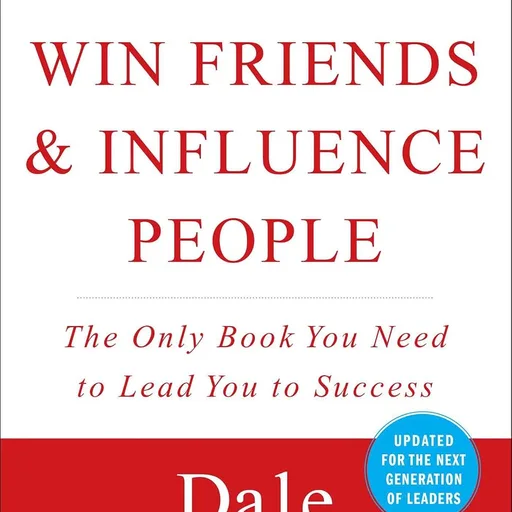
How to Win Friends and Influence People is a fit for readers who want a practical, old-school guide to better conversations, smoother relationships, and more confidence in everyday social settings. It also tends to suit people who prefer direct advice over theory, since the book is built around principles, examples, and memorable rules rather than academic argument. If someone is looking for a gift book, a first book on communication, or a classic title that still gets mentioned often in leadership and sales circles, this is the kind of book that may deserve a look.
What makes it worth considering is its focus on behavior that can be practiced right away. The title signals the book's main promise: learning how to make other people feel heard, respected, and willing to engage. That can matter in work settings, interviews, customer-facing roles, networking, and any situation where clear social judgment helps. A reader does not need to agree with every dated example to still find value in the core ideas, which is one reason the book continues to be discussed so often. Its staying power is part of the appeal.
The main thing to verify is whether the style still feels useful to the reader today. Some of the examples and language reflect an earlier era, so a modern shopper may want to check whether they prefer a newer communication book or are comfortable reading a classic that comes from a different time. That is not a flaw so much as a decision point. Books in this category often work best when the reader wants principles they can adapt rather than a current, trend-driven voice.
The evidence posture here should stay simple: this is a well-known self-help and communication title, and its reputation comes from its long history of being read, discussed, and recommended. Beyond that, a buyer should look at the edition, table of contents, and sample pages to see whether the tone and structure match what they want. A paperback version may be fine for casual reading, while a newer annotated edition could be better for someone who wants added context. Those are the practical details worth checking before buying.
This may fit someone who wants a classic starting point for social skills and does not mind that the book comes from another era. It may also fit readers who like books they can return to, since the ideas are the kind people often revisit rather than read once and forget. If the goal is a grounded introduction to interpersonal influence, this remains a reasonable candidate. If the goal is a fully modern framework with current examples and updated language, it is worth comparing with newer titles first.
Amazon product links on this guide are not currently affiliate links. Neither Dwight Miller nor Buyer Field Guide earns an affiliate commission from them.
See current price